Practical info
to help you prepare and make the most of your conference experience
Language
Icelandic is the national language. English is spoken widely, and Danish is the third language taught in schools in Iceland.
Weather
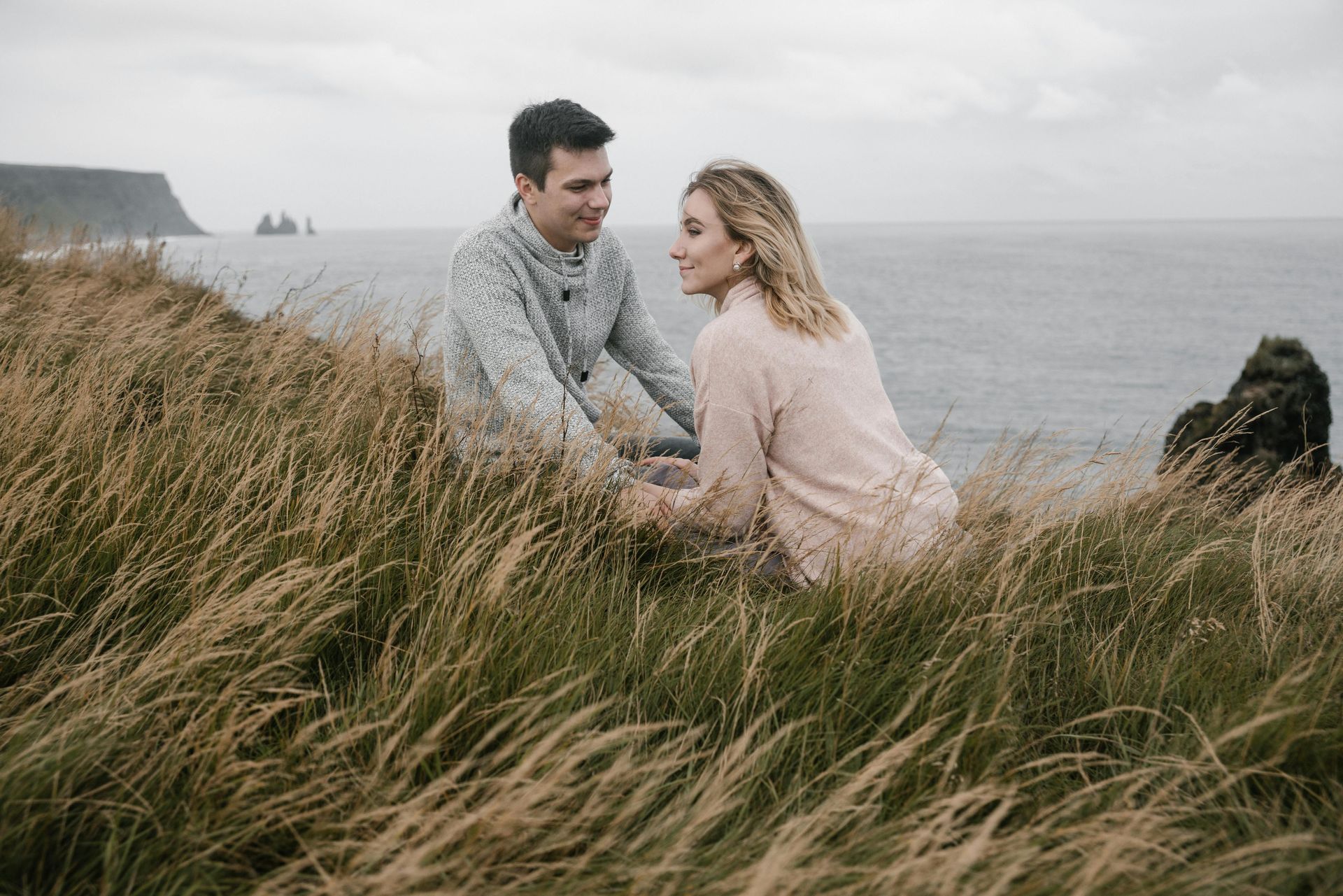
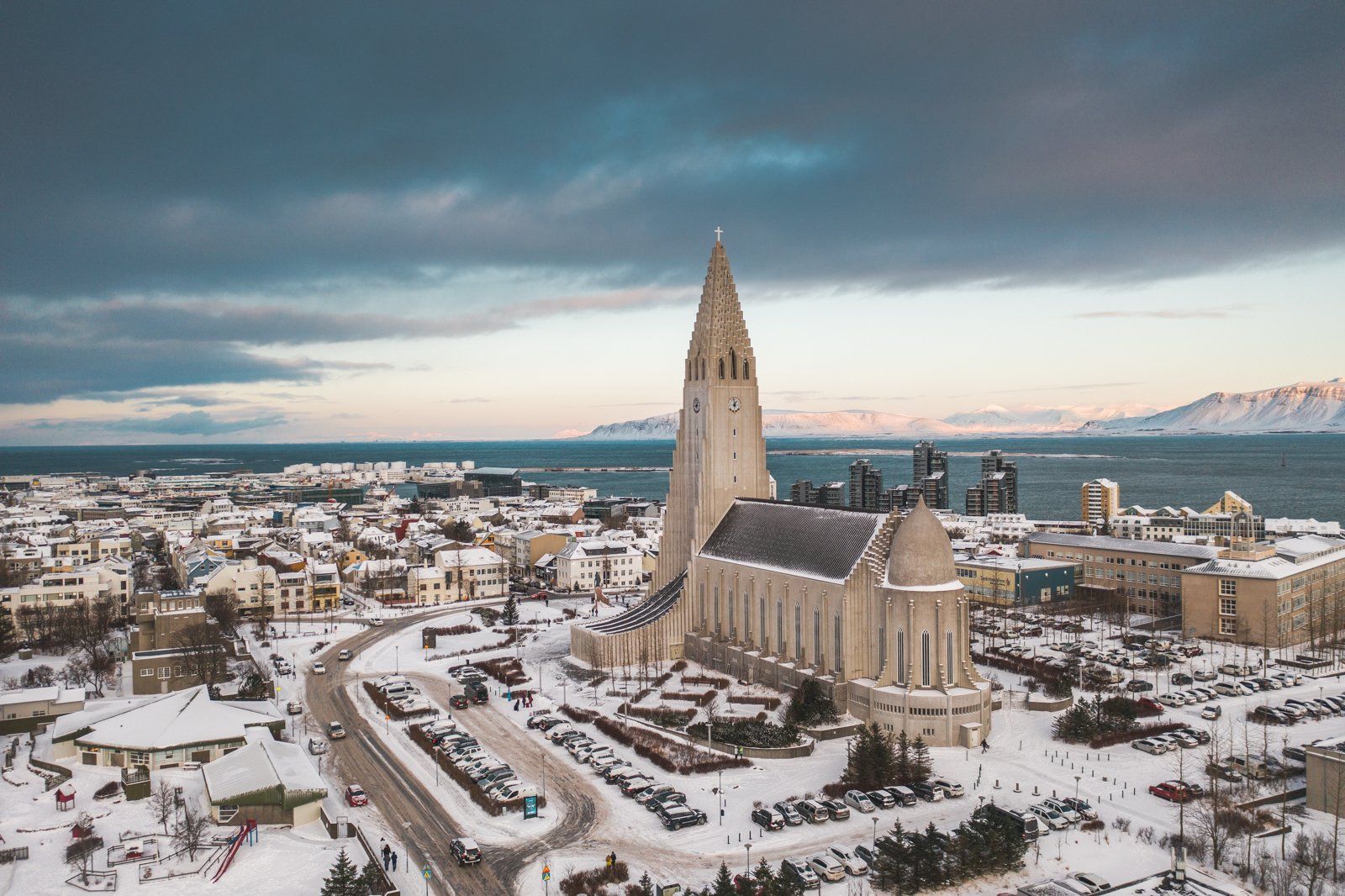
Although the climate in Iceland can be harsh, it is milder than you would expect from the country’s name and global position at high latitudes.
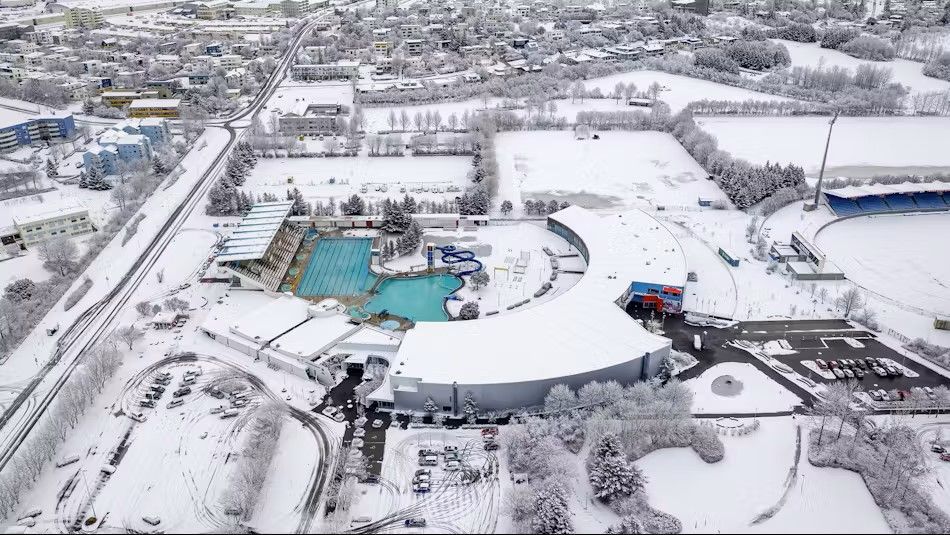
November in Iceland is late autumn heading into winter. It brings short daylight hours, cool temperatures, and rapidly changing weather, ranging from crisp, clear skies to rain, wind, or occasional snow.
Temperature
Average highs: 1–4°C (34–39°F)
Average lows: -3–0°C (27–32°F)
Bring warm layers, waterproof clothing, and sturdy boots.
Daylight
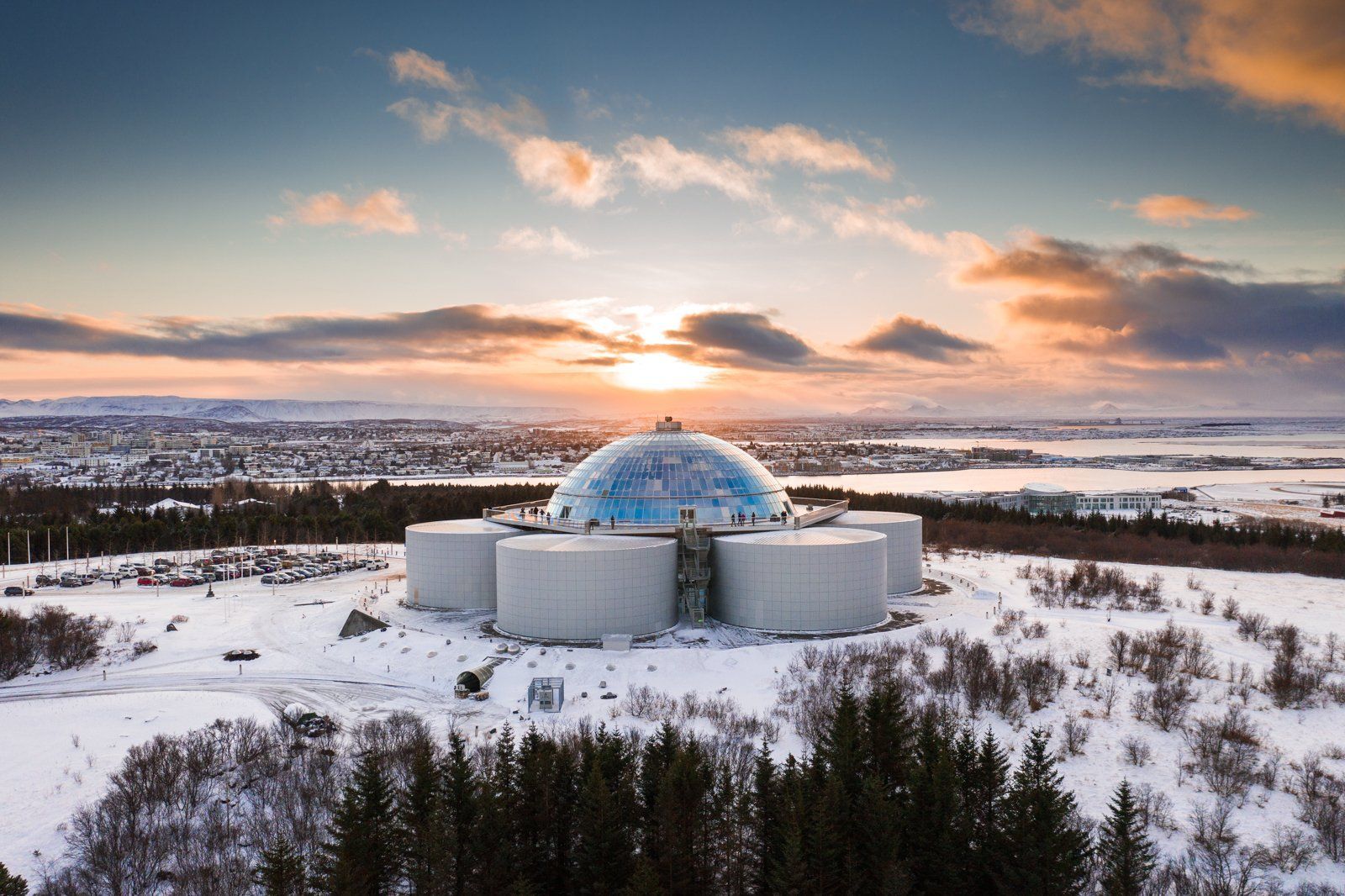
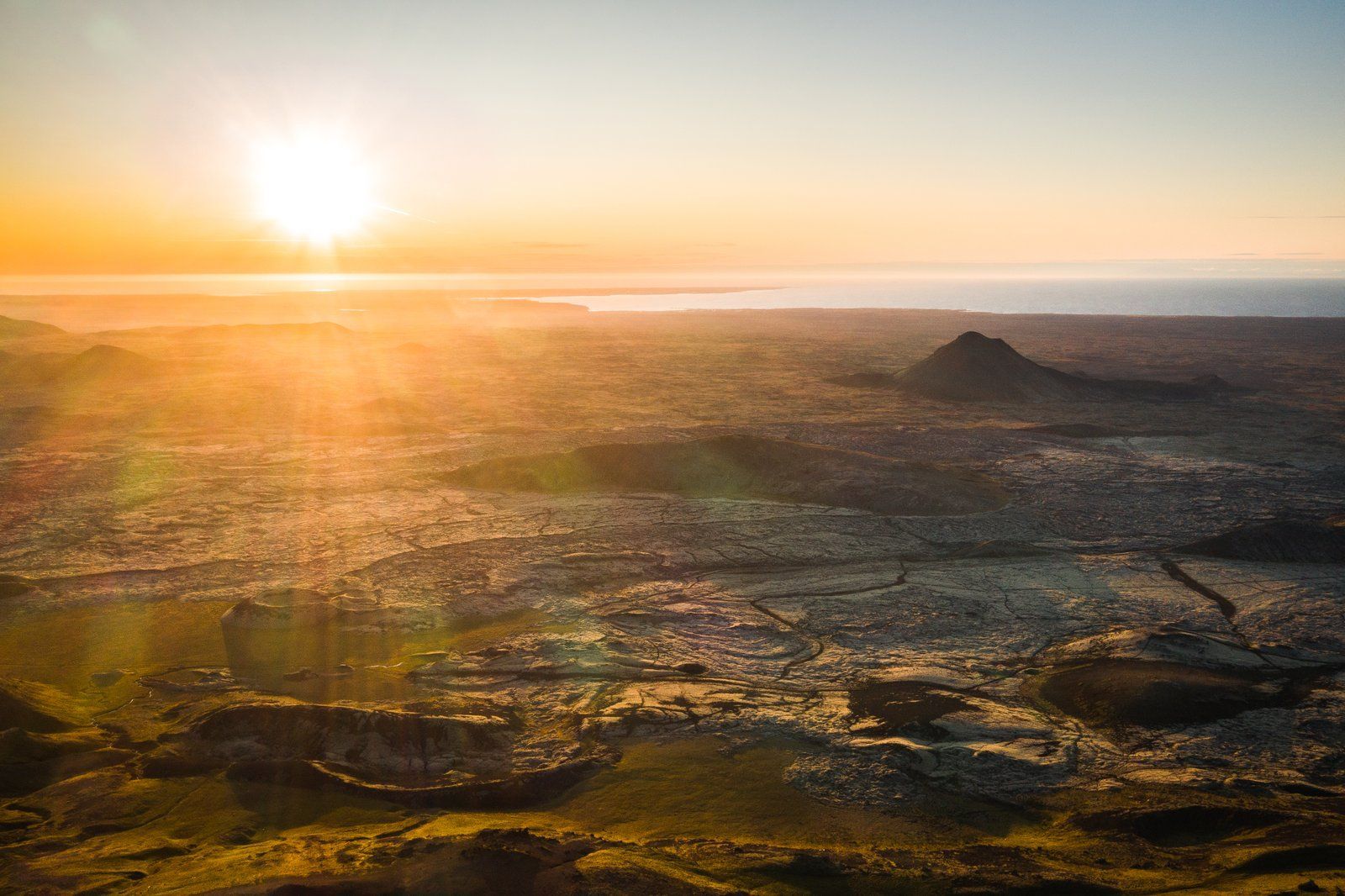
In the middle of November: ~6-7 hours of daylight.
Some numbers
- Total area: 103,592 km²
- Coastline: 6.542,4 km
- Lakes and rivers: 2.757 km²
- Glaciers: 11.922 km²
- Sandplains 4.000 km²
- Lava fields 11.000 km²
- Forests: 1,907 km²
- Largest lake: Þingvallavatn 82 km²
- Highest point: Hvannadalshnúkur 2,119 m
- Population: 390.000